Dinosaurs · Fossils · Discoveries
A Reference Guide to the Age of Dinosaurs
Explore dinosaurs, prehistoric life and the science behind every discovery — species profiles, fossil sites, palaeontologists and museum collections, built for curious minds.
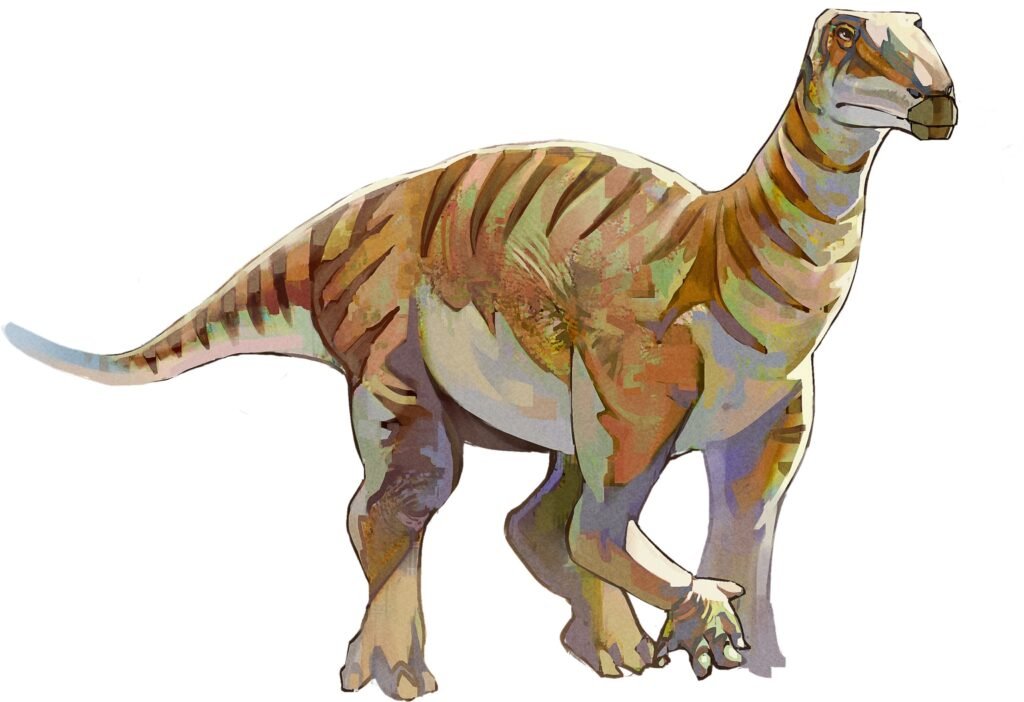
The Dino Files
Explore dinosaurs
Detailed species profiles covering anatomy, behaviour, classification and fossil evidence — each one linked to the specimens, formations and people behind it.
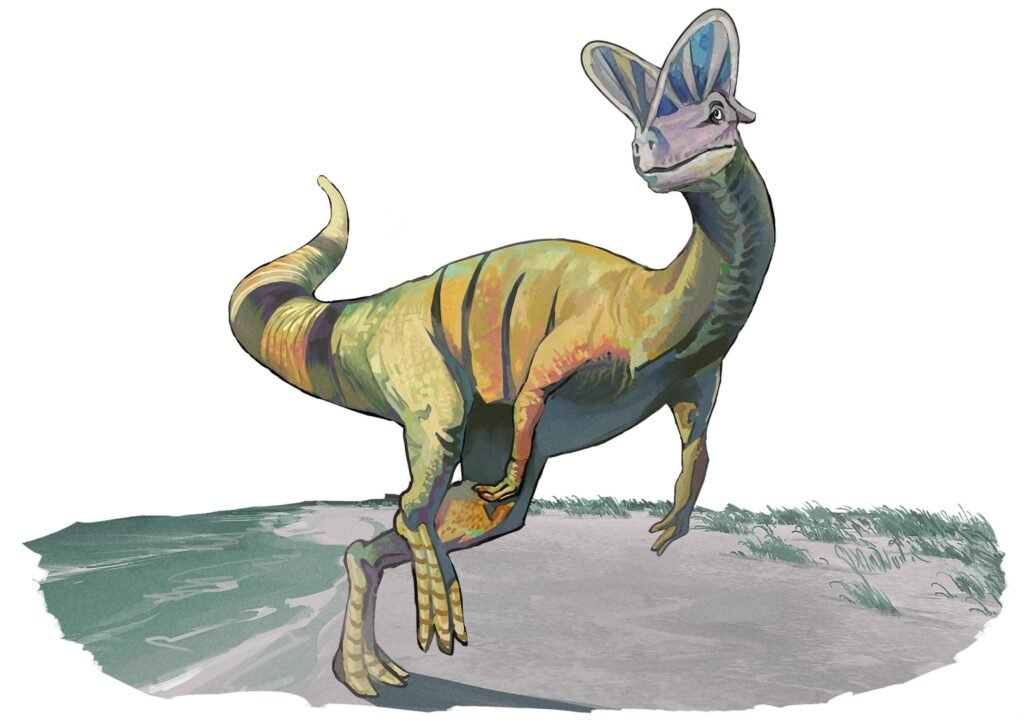
Species spotlight · Profile planned
Dilophosaurus
Theropoda · Early Jurassic · North America
Among the largest known predators of Early Jurassic North America, Dilophosaurus is best recognised by the pair of thin, delicate crests along the top of its skull. What those crests were for is still debated — display to rivals or mates is the most widely favoured hypothesis, but it has not been confirmed.
Did you know? The expanding neck frill and venom-spitting shown in films are fictional — there is no fossil evidence for either.
Latest Dino Files
Artwork to follow
First Dino File · In preparation
Tyrannosaurus rex
Theropoda · Late Cretaceous · ~66 MYA
The most extensively studied large theropod, with a remarkably complete fossil record informing ongoing debates around growth rate, metabolism and behaviour.
This profile is being finalised. Published Dino Files will appear here automatically.
Research & palaeontology news
Latest discoveries
Recent palaeontological discoveries, new species descriptions and research findings from the Mesozoic.
Discovery coverage is being prepared. New articles will appear here automatically once they are published.
Upcoming feature · In development
Dinosauria Explorer
We are building an interactive evolutionary tree of the dinosaurs — a way to trace how groups relate, from the earliest dinosaurs to modern birds, and to move straight from any branch to the species, specimens and research behind it.
The Explorer is not live yet. This is an early preview of how it will be organised.
Dinosauria
Ornithischia
Armoured, horned and duck-billed dinosaurs — including Iguanodon
Saurischia
The lineage containing the two groups below
Sauropodomorpha
Long-necked plant-eaters, including the largest land animals
Theropoda
Mostly carnivorous dinosaurs — including Dilophosaurus, Carnotaurus, Tyrannosaurus and modern birds
Shown using the traditional Ornithischia–Saurischia split. Alternative arrangements, such as Ornithoscelida, are still debated.
The Knowledge Network
More than a dinosaur blog
Every DDN entry is part of a connected reference. A species links to the fossils that describe it, the rock formations they came from, the museums that hold them and the researchers who studied them — so you can follow the evidence, not just read about it.
Prehistoric ecosystems
Where and how they lived
Dinosaurs did not live in isolation. Each species belonged to an ecosystem — rivers, floodplains, forests and coastlines shared with other animals and plants. By linking species to the rock formations that preserve those environments, DDN helps you explore where and when they lived alongside one another.
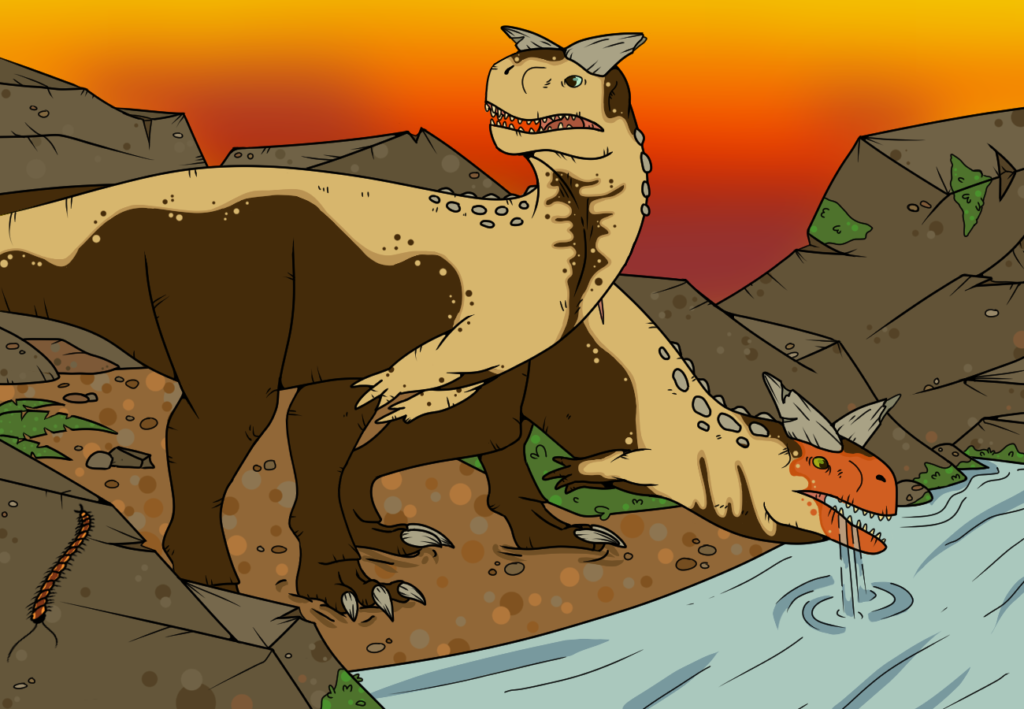
Dinosaurs
Species profiles covering anatomy, behaviour, classification and fossil evidence.
Fossils & specimens
Individual specimens — from famous skeletons to key fragments — and what each one tells us.
Geological formations
The rock formations and dig sites where dinosaur remains have been found.
Museums
Natural history museums and exhibitions housing significant dinosaur collections.
Researchers
The scientists and explorers who shaped our understanding of the Mesozoic — from the Victorian era to the present day.
Discoveries
Recent palaeontological discoveries, new species descriptions and research findings.
These areas are being built in stages. Links will be added as each one launches.
Further exploration
Where to next?
Dino Files
Species profiles, starting with Tyrannosaurus rex.
Latest discoveries
New research, species descriptions and fossil finds.
Dinosauria Explorer
A preview of the evolutionary tree in development.
Dinosaurs Everywhere community
Join the conversation
Enthusiasts, educators and professionals discussing fossil discoveries, new research and the science of palaeontology.